Selasa, 30 September 2025

94+ Storage Shed 6 X 8

Personal storage bigorangestorage.com.au

Introduction: Building Your Own 6x8 Storage Shed
Want to add some much-needed storage space to your backyard? Building your own 6x8 storage shed is a rewarding DIY project that can save you money and provide a customized storage solution. This guide provides a step-by-step process to help you construct a durable and functional shed.
Step 1: Planning and Preparation
Before you start building, careful planning is essential. Here's what you need to consider:
  • Local Building Codes: Check your local zoning regulations and building codes to ensure your shed meets all requirements. You may need a permit.
  • Site Selection: Choose a level, well-drained area for your shed. Consider proximity to your house and access to utilities if needed.
  • Materials List: Create a detailed list of all materials you'll need, including lumber, fasteners, roofing, siding, and concrete blocks or gravel for the foundation. Accuracy in this step will prevent wasted trips to the hardware store.
  • Tools: Gather all necessary tools, such as a circular saw, drill, level, measuring tape, hammer, safety glasses, and work gloves.
  • Step 2: Building the Foundation
    A solid foundation is critical for a long-lasting shed. Here's how to create one:
  • Leveling the Ground: Clear the chosen area of vegetation and debris. Level the ground using a shovel and rake.
  • Gravel or Concrete Blocks: Choose your foundation material. For a gravel base, spread a 4-6 inch layer of compacted gravel. For concrete blocks, place them on the leveled ground, ensuring they are evenly spaced and level.
  • Framing the Base: Construct a rectangular base frame using pressure-treated lumber. Ensure the frame is square and properly aligned on top of your gravel or concrete blocks. Secure the frame together with screws or nails.
  • Step 3: Framing the Walls
    Now it's time to build the walls:
  • Cutting the Studs: Cut the wall studs to the appropriate length based on your desired wall height. Remember to account for the top and bottom plates.
  • Assembling the Walls: Lay out the top and bottom plates and attach the studs using nails or screws. Ensure studs are spaced correctly (typically 16 or 24 inches on center). Frame any window or door openings at this stage.
  • Raising the Walls: Carefully raise each wall frame and secure it to the base frame. Use temporary bracing to keep the walls plumb until they are fully connected.
  • Connecting the Walls: Join the wall frames together at the corners, ensuring they are square and securely fastened.
  • Step 4: Installing the Roof
    The roof protects your shed from the elements:
  • Building Rafters or Trusses: Construct rafters or trusses based on your roof design (e.g., gable, shed). Consult a roofing guide for proper angles and spacing.
  • Attaching Rafters or Trusses: Securely attach the rafters or trusses to the top plates of the walls, ensuring they are evenly spaced and aligned.
  • Installing Sheathing: Cover the rafters or trusses with plywood sheathing, nailing or screwing it in place.
  • Applying Roofing Material: Install roofing felt or underlayment, followed by your chosen roofing material (e.g., asphalt shingles, metal roofing). Follow the manufacturer's instructions for proper installation.
  • Step 5: Adding Siding and Finishing Touches
    Now for the finishing details:
  • Installing Siding: Apply siding to the walls, starting from the bottom and working your way up. Overlap the siding panels according to the manufacturer's recommendations.
  • Installing Doors and Windows: Install the door and windows, ensuring they are properly aligned and sealed.
  • Adding Trim: Install trim around the doors, windows, and corners to give the shed a finished look.
  • Painting or Staining: Paint or stain the shed to protect the wood and enhance its appearance.
  • Conclusion: Enjoying Your New Storage Shed
    Congratulations! You've successfully built your own 6x8 storage shed. This DIY project provides valuable storage space while adding value to your property. Remember to regularly inspect and maintain your shed to ensure its longevity and functionality. With proper care, your new shed will serve you well for years to come.

    Personal Storage

    Personal storage bigorangestorage.com.au

    A Comprehensive Guide On Warehouse Storage

    A comprehensive guide on warehouse storage barbaraiweins.com

    Efficient Warehouse Storage Techniques

    Efficient warehouse storage techniques www.mecalux.com

    Minggu, 28 September 2025

    143+ Storage Shed Warwick Qld

    The 14 best storage units in toronto [2022] torontoblogs.ca

    Opening: Building Your Own Storage Shed
    Tired of clutter overflowing in your Warwick, Queensland home? A DIY storage shed can be the perfect solution! This guide will walk you through the process of building a sturdy and functional shed, providing much-needed storage space and increasing your property value.
    Step 1: Planning and Design
    Before you even think about picking up a hammer, meticulous planning is crucial. Consider these aspects:
  • Purpose: What will you primarily store in the shed? Garden tools, equipment, or seasonal items? This dictates the size and layout.
  • Size: Measure the available space in your yard. Remember to factor in setbacks and council regulations in Warwick, Qld. Aim for a size that accommodates your storage needs without overwhelming the space.
  • Design: Decide on the style of your shed. A simple gable roof is easiest for beginners. Sketch out your design, including dimensions for the walls, roof, and door. Online shed plans are also readily available.
  • Permits: Contact the Warwick Regional Council to determine if a building permit is required for your shed size and location. Don't skip this step!
  • Materials: Create a detailed list of all the materials you'll need, including lumber, roofing materials, siding, fasteners, and concrete (if building a slab foundation).
  • Step 2: Foundation Preparation
    A solid foundation is essential for a long-lasting shed. Choose from these options:
  • Concrete Slab: The most durable option. Requires pouring a concrete slab, ensuring it's level and square. This requires more time and effort.
  • Gravel Base: A simpler option involving a compacted gravel base topped with concrete pavers or treated lumber skids.
  • Wooden Skids: Pressure-treated lumber skids placed directly on the ground. The simplest but least durable option.
  • For a concrete slab, prepare the site by removing topsoil and creating a level area. Build a form using lumber and pour the concrete. Let it cure completely before proceeding. For a gravel base, dig out the area, fill with gravel, compact it thoroughly, and then lay your pavers or skids.
    Step 3: Framing the Walls
    Now it's time to build the wall frames.
  • Cut the Lumber: Cut all the lumber for the wall frames according to your plan. Use pressure-treated lumber for the bottom plate.
  • Assemble the Frames: Lay out the lumber for each wall frame and nail or screw them together. Ensure the frames are square.
  • Install Studs: Place studs every 16 or 24 inches on center. Add additional studs around door and window openings.
  • Raise the Walls: With the help of a friend, raise the wall frames one at a time and secure them to the foundation using appropriate fasteners.
  • Brace the Walls: Use temporary braces to hold the walls plumb until the roof is installed.
  • Step 4: Installing the Roof
    The roof protects your shed from the elements.
  • Build Rafters or Trusses: Choose between building rafters or using pre-fabricated roof trusses. Trusses are easier for beginners.
  • Install Rafters/Trusses: Attach the rafters or trusses to the top plates of the walls, ensuring they are evenly spaced and securely fastened.
  • Sheathe the Roof: Cover the rafters or trusses with plywood or OSB sheathing. Nail or screw the sheathing securely in place.
  • Install Roofing Material: Install your chosen roofing material, such as asphalt shingles, metal roofing, or corrugated iron. Follow the manufacturer's instructions carefully. Overlap each section correctly to prevent leaks.
  • Step 5: Adding Siding and Doors
    It's time to enclose your shed and provide access.
  • Install Siding: Choose your siding material (wood, vinyl, metal) and install it according to the manufacturer's instructions. Overlap each section correctly and ensure proper fastening.
  • Frame the Door Opening: If you haven't already, frame the door opening with appropriate lumber.
  • Install the Door: Hang the door using hinges and install a latch or lock. Ensure the door swings freely and closes securely.
  • Add Windows (Optional): If desired, install windows to provide natural light and ventilation.
  • Step 6: Finishing Touches
    Complete your shed with these finishing touches.
  • Caulk and Seal: Caulk all seams and joints to prevent water infiltration.
  • Paint or Stain: Paint or stain the shed to protect the wood and enhance its appearance.
  • Add Shelving and Storage: Install shelving, hooks, and other storage solutions to organize your belongings.
  • Landscaping: Add landscaping around the shed to blend it into your yard.
  • Conclusion: Enjoy Your New Storage Space
    Congratulations! You've successfully built your own storage shed in Warwick, Qld. With careful planning and hard work, you've created a valuable addition to your property that will provide years of storage space. Remember to maintain your shed regularly to keep it in good condition. Now you can finally get rid of that clutter and enjoy a more organized home!

    The 14 Best Storage Units In Toronto [2022]

    The 14 best storage units in toronto [2022] torontoblogs.ca

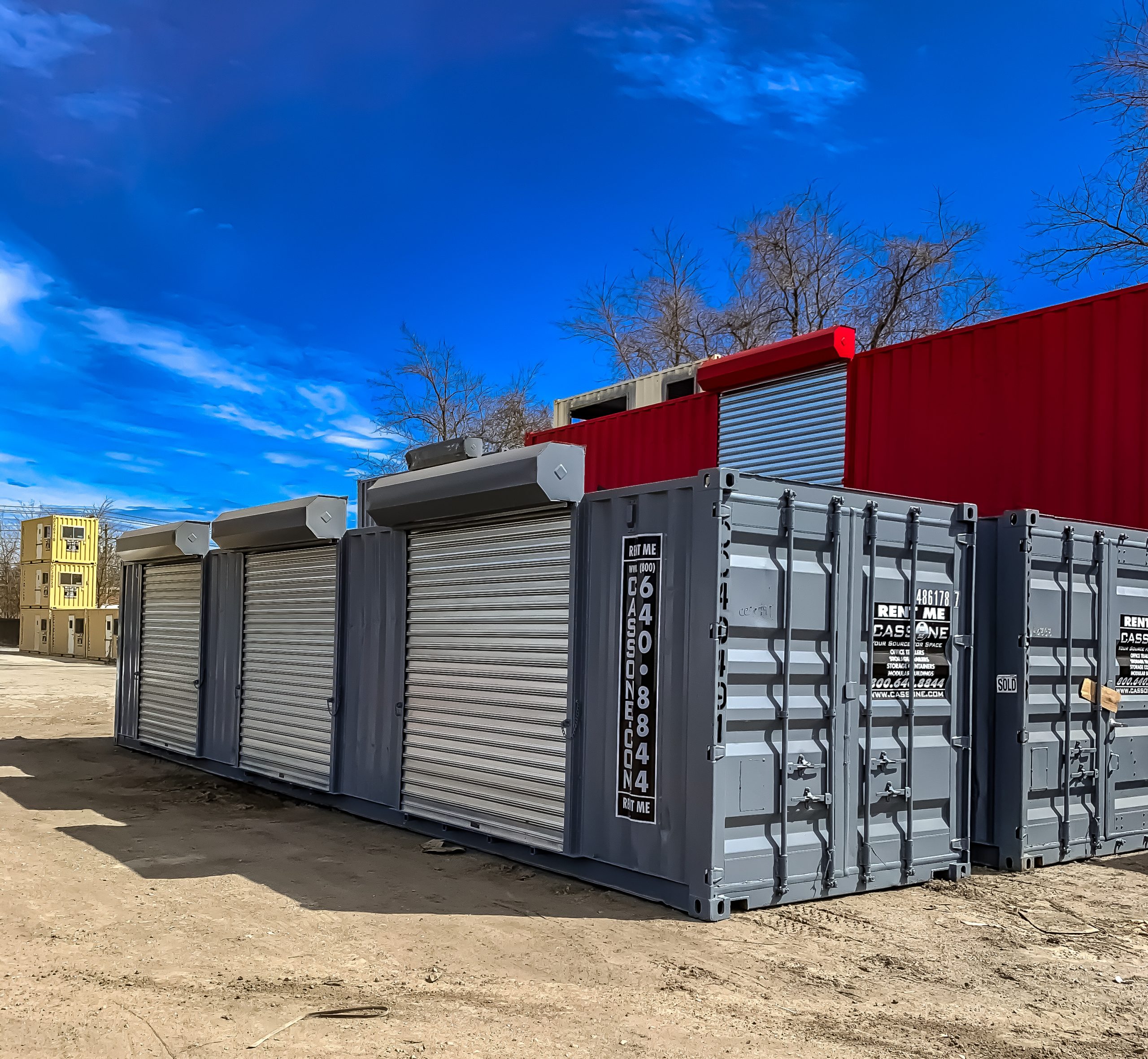
    Ground Level Storage Container Building Units In New York

    Ground level storage container building units in new york www.cassone.com

    A Comprehensive Guide On Warehouse Storage

    A comprehensive guide on warehouse storage barbaraiweins.com

    Jumat, 26 September 2025

    195+ Shed Apartment Plans

    Shed house plans, cabin floor plans, tiny house floor plans ca.pinterest.com

    ```html
    Introduction: Creating Your Own Shed Apartment Dreaming of a tiny home, backyard office, or extra living space? Converting a shed into a functional apartment is a budget-friendly and customizable solution. This guide provides a step-by-step plan for building your own shed apartment, covering everything from initial planning to final touches. Remember to always check your local building codes and regulations before starting any construction project.
    Step 1: Planning and Preparation
  • Shed Selection: Choose a shed that is large enough to accommodate your needs. Consider factors like square footage, height, and existing features (e.g., windows, doors). Think about the layout and how you will divide the space into different zones (e.g., living area, bedroom, bathroom, kitchenette).
  • Permits and Regulations: Research local building codes and regulations related to shed conversions. You may need permits for plumbing, electrical, and structural modifications. Complying with these regulations is crucial for safety and legality.
  • Design and Layout: Create a detailed design plan. This includes a floor plan showing the placement of walls, doors, windows, plumbing fixtures, and electrical outlets. Consider the flow of traffic and functionality of each space.
  • Budgeting: Develop a comprehensive budget that includes the cost of materials, labor (if you hire professionals), permits, and unexpected expenses. Track your spending throughout the project to stay within budget.
  • Step 2: Foundation and Structural Reinforcement
  • Foundation Inspection and Upgrade: Ensure the existing shed foundation is level, stable, and capable of supporting the added weight of insulation, plumbing, and fixtures. You may need to reinforce or replace the foundation if necessary.
  • Structural Reinforcement: Reinforce the shed's framing to meet building codes for habitable structures. This may involve adding extra studs, joists, and rafters to increase the shed's structural integrity and resistance to wind and snow loads.
  • Moisture Barrier: Install a moisture barrier under the floor and behind the walls to prevent moisture damage and protect the interior from the elements.
  • Step 3: Framing and Insulation
  • Framing Interior Walls: Frame interior walls to create separate rooms or zones within the shed. Use pressure-treated lumber for walls that will be in contact with concrete or the ground.
  • Insulation: Install insulation in the walls, ceiling, and floor to regulate temperature and reduce energy costs. Choose the appropriate type of insulation based on your climate and budget (e.g., fiberglass, spray foam, rigid foam).
  • Vapor Barrier: Install a vapor barrier on the warm side of the insulation to prevent moisture from condensing inside the walls and causing mold growth.
  • Step 4: Plumbing and Electrical
  • Plumbing Installation: Install plumbing for a bathroom (toilet, sink, shower) and a kitchenette (sink). Connect the plumbing to the main water supply and sewer line, following local codes and regulations. Consider hiring a licensed plumber for this step.
  • Electrical Wiring: Install electrical wiring for lighting, outlets, appliances, and heating/cooling systems. Create a wiring plan that meets your power needs and local electrical codes. Hire a licensed electrician for this step to ensure safety and compliance.
  • HVAC System: Install a heating, ventilation, and air conditioning (HVAC) system to maintain a comfortable temperature year-round. Consider options like a mini-split system, window air conditioner, or portable heater.
  • Step 5: Interior Finishing
  • Wall Covering: Install wall coverings such as drywall, paneling, or shiplap. Finish the walls by taping, mudding, sanding, and painting.
  • Flooring Installation: Install flooring such as laminate, vinyl, tile, or hardwood. Choose a durable and water-resistant flooring option for the bathroom and kitchenette.
  • Windows and Doors: Install windows and doors to provide natural light, ventilation, and access. Ensure that the windows and doors are energy-efficient and properly sealed.
  • Trim and Molding: Install trim and molding around windows, doors, and baseboards to add a finished look.
  • Step 6: Kitchenette and Bathroom Fixtures
  • Kitchenette Installation: Install cabinets, countertops, a sink, and a small refrigerator in the kitchenette area. Consider adding a microwave or a small cooktop.
  • Bathroom Fixture Installation: Install a toilet, sink, shower, and vanity in the bathroom. Ensure that all fixtures are properly connected to the plumbing system.
  • Ventilation: Install an exhaust fan in the bathroom to remove moisture and prevent mold growth.
  • Step 7: Final Touches and Inspections
  • Painting and Decorating: Paint the interior and exterior of the shed apartment. Add decorative elements to personalize the space.
  • Safety Measures: Install smoke detectors, carbon monoxide detectors, and fire extinguishers to ensure safety.
  • Final Inspection: Schedule a final inspection with local building officials to ensure that the shed apartment meets all applicable codes and regulations.
  • Conclusion: Enjoying Your Shed Apartment Congratulations! You've successfully transformed a shed into a functional and comfortable living space. Your shed apartment can now serve as a tiny home, guest house, backyard office, or rental unit, adding value and versatility to your property. Remember to maintain your shed apartment regularly to keep it in good condition for years to come.
    ```

    Large Shed Plans

    Large shed plans myoutdoorplans.com

    Backyard Shed Plans Pdf

    Backyard shed plans pdf drummondhouseplans.com

    Shed House Plans, Cabin Floor Plans, Tiny House Floor Plans

    Shed house plans, cabin floor plans, tiny house floor plans ca.pinterest.com

    Kamis, 25 September 2025

    56+ Tuff Shed Movers Near Me

    26 facts about the rock (movie) facts.net

    ```html
    DIY Mini Greenhouse from Recycled Materials This guide will walk you through building a small, functional greenhouse using primarily recycled materials. This is a great project for gardeners on a budget or those looking to reduce waste.
    Materials You'll Need:
    • Old windows (at least 4, preferably the same size)
    • Wooden pallets (for the base)
    • Scrap wood (for framing and supports)
    • Screws or nails
    • Hammer or screwdriver
    • Measuring tape
    • Saw (hand saw or power saw)
    • Drill (optional, but helpful)
    • Plastic sheeting (optional, for added insulation)
    • Hinges (optional, for a door or vent)
    • Latches (optional, for a door or vent)
    Step 1: Prepare the Base Select a level location for your greenhouse. Disassemble the wooden pallets and use the planks to construct a rectangular or square base. Ensure the base is sturdy enough to support the weight of the windows and any potential snow load. You can layer the pallet wood for increased strength. Secure the base with screws or nails.
    Step 2: Build the Frame Measure the dimensions of your windows. Construct a wooden frame that closely matches these dimensions. Use scrap wood to build vertical supports at each corner and potentially along the sides, depending on the size of your windows. Attach the supports to the base securely. Ensure the frame is square and level for a stable structure.
    Step 3: Attach the Windows Carefully position the windows onto the frame. Use screws to attach the windows securely to the frame. Ensure the windows are sealed tightly to prevent heat loss. You can use caulk to seal any gaps between the windows and the frame. If you have windows of slightly different sizes, adjust the framing accordingly to accommodate them.
    Step 4: Create a Roof (Optional) If your windows aren't suitable for a roof, you can create one using additional scrap wood and plastic sheeting. Construct a slanted roof frame to allow for water runoff. Secure the plastic sheeting tightly to the frame using staples or screws with washers. Alternatively, you can use a clear corrugated plastic roofing material.
    Step 5: Add a Door or Vent (Optional) Cut a section out of one of the window panels or frame to create an opening for a door or vent. Use hinges to attach a smaller piece of wood or a smaller window to the frame to create the door/vent. Install a latch to secure the door/vent when closed. This will allow for temperature regulation inside the greenhouse.
    Step 6: Reinforce and Insulate (Optional) Reinforce the structure with additional scrap wood to provide extra stability, especially if you live in an area with high winds. To improve insulation, line the interior walls with bubble wrap or plastic sheeting. This will help retain heat and protect your plants from frost.
    Step 7: Placement and Finishing Touches Position your mini greenhouse in a sunny location that receives at least 6 hours of direct sunlight per day. Ensure the greenhouse is level and stable. Add shelves or benches inside to organize your plants. Consider adding a small thermometer to monitor the temperature inside the greenhouse.
    Conclusion By following these steps, you can create a functional and affordable mini greenhouse using recycled materials. This project is a great way to extend your growing season, protect your plants from the elements, and reduce waste. Happy gardening!
    ```

    Volcanic Tuff (near Cripple Creek, Colorado, Usa) 1

    Volcanic tuff (near cripple creek, colorado, usa) 1 www.flickriver.com

    26 Facts About The Rock (movie)

    26 facts about the rock (movie) facts.net

    Tuff Cut Out Stock Images & Pictures

    Tuff cut out stock images & pictures www.alamy.com
     

    Inside Shed Plans Copyright © 2025 -- Powered by Blogger